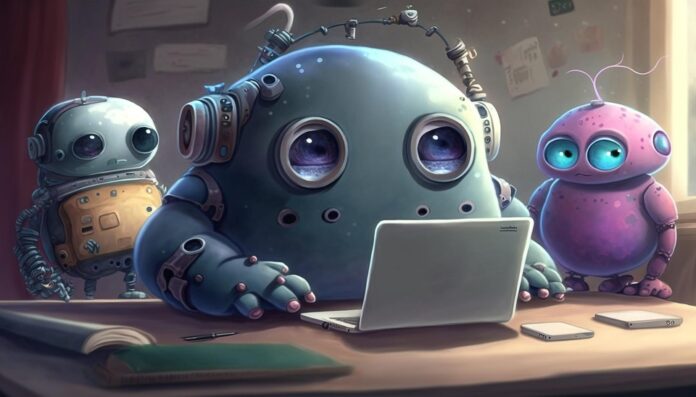
The world of artificial intelligence is rapidly evolving, and one of the most captivating developments in recent years has been the introduction of advanced language models like ChatGPT. With the release of ChatGPT 2.0, users can now experience a significant leap in conversational AI capabilities. This article delves into the new features, enhancements, and potential applications of ChatGPT 2.0, showcasing the myriad ways it can transform our interactions with technology.
What is ChatGPT 2.0?
ChatGPT 2.0 is the next iteration of OpenAI’s language model, building upon the success of its predecessor, ChatGPT. While the first version laid a solid foundation for generating human-like text and engaging in meaningful conversations, ChatGPT 2.0 takes this to the next level. By leveraging more extensive training datasets, refined algorithms, and innovative techniques, this updated model aims to deliver more accurate, nuanced, and context-aware responses.
Key Features of ChatGPT 2.0
1. Enhanced Contextual Understanding
One of the most notable improvements in ChatGPT 2.0 is its ability to comprehend context more effectively. The model can maintain conversational flow over extended interactions, remembering previous exchanges and adapting responses accordingly. This enhancement is crucial for complex dialogues that require continuity, such as discussions about specific subjects or ongoing projects.
2. Improved Accuracy and Relevance
ChatGPT 2.0 incorporates advanced machine learning techniques, resulting in more accurate and relevant responses. The model now has a better understanding of user intent, which helps it avoid misunderstandings or irrelevant answers. Whether users ask for detailed explanations, creative writing, or casual conversation, ChatGPT 2.0 provides responses that are more aligned with user expectations.
3. Personalization Features
The latest version introduces personalization capabilities, allowing users to customize their experience based on their preferences. Users can set specific tones for responses (e.g., formal, casual, humorous) or bookmark certain topics of interest. This feature not only makes interactions feel more engaging but also helps the model provide responses that resonate more with individual users.
4. Multi-Turn Conversation Support
While the earlier version of ChatGPT was capable of engaging in dialogue, ChatGPT 2.0 excels in multi-turn conversations. It can manage intricate exchanges that involve multiple questions, clarifications, and follow-ups. This capability is particularly beneficial for customer support, where users may need several interactions before getting a satisfactory resolution.
5. Robust Error Handling
In any AI model, error handling is vital. ChatGPT 2.0 now includes more advanced capabilities to recognize when it is making a mistake or misunderstanding the user’s queries. The model can ask for clarification or rephrase questions to ensure better alignment with user intent, improving the overall conversational experience.
6. Expanded Knowledge Base
With the integration of a broader range of sources, ChatGPT 2.0 boasts an expanded knowledge base that covers a more diverse array of topics. This allows for richer conversations and the ability to provide more detailed information on current events, scientific advancements, cultural nuances, and more.
7. Ethical Considerations
OpenAI has placed a strong emphasis on ethical AI use in ChatGPT 2.0. This includes strategies to mitigate biases and ensure that the model does not produce harmful or offensive content. A set of ethical guidelines has been established to guide the model’s responses and to address the challenges associated with artificial intelligence deployments.
Applications of ChatGPT 2.0
The advancements in ChatGPT 2.0 open doors to various applications across industries. Here are some of the most promising use cases:
Customer Support
Businesses can leverage ChatGPT 2.0 to provide efficient customer support. The model’s ability to handle complex queries and engage in multi-turn conversations allows for quick resolutions to common issues. This not only enhances user satisfaction but also reduces the workload on human agents.
Content Creation
Writers and content creators can benefit from ChatGPT 2.0’s improved accuracy and creativity. Whether crafting articles, blogs, or social media posts, users can rely on the model for brainstorming ideas or refining their drafts, thereby enhancing productivity.
Education and Tutoring
In educational settings, ChatGPT 2.0 can serve as a virtual tutor, helping students with explanations and homework support. Its ability to personalize learning experiences makes it a valuable tool for learners of all ages.
Mental Health Support
The model can provide supportive and empathetic responses, acting as a first line of interaction for individuals seeking mental health support. While it is not a replacement for professional help, its availability can provide comfort to those in need.
Gaming and Interactive Storytelling
Gamers and storytellers can harness ChatGPT 2.0 to create intricate narratives and engaging dialogues within games. The model’s ability to generate contextually relevant content can lead to more immersive gaming experiences.
Conclusion
The launch of ChatGPT 2.0 signifies a remarkable advancement in conversational AI technology. With enhanced contextual understanding, improved accuracy, personalization features, and robust error handling, the model not only meets but exceeds user expectations. Its applications span multiple industries, showcasing its potential to transform how we interact with technology in our daily lives. As we continue to explore the capabilities of AI, the importance of ethical considerations remains paramount in ensuring that these advancements serve humanity positively.
FAQs
Q1: What are the main improvements in ChatGPT 2.0 compared to the previous version?
A1: ChatGPT 2.0 features enhanced contextual understanding, improved accuracy and relevance, personalization options, multi-turn conversation support, robust error handling, an expanded knowledge base, and better adherence to ethical guidelines.
Q2: Can I customize the tone of responses in ChatGPT 2.0?
A2: Yes, ChatGPT 2.0 allows users to set specific tones for responses, providing options for formal, casual, humorous, or other styles based on user preferences.
Q3: How does ChatGPT 2.0 handle misunderstandings or errors?
A3: The model has advanced error handling capabilities, allowing it to recognize when it may be misunderstanding a query. It can seek clarification from the user or rephrase questions for better alignment.
Q4: Is ChatGPT 2.0 suitable for professional use?
A4: Yes, ChatGPT 2.0 is designed to be used across various sectors including customer support, content creation, education, and more, making it a versatile tool for professional applications.
Q5: What ethical considerations have been made in the development of ChatGPT 2.0?
A5: Ethical considerations include strategies to mitigate biases, prevent harmful content, and ensure the model’s responses adhere to established ethical guidelines to promote responsible use of AI.

