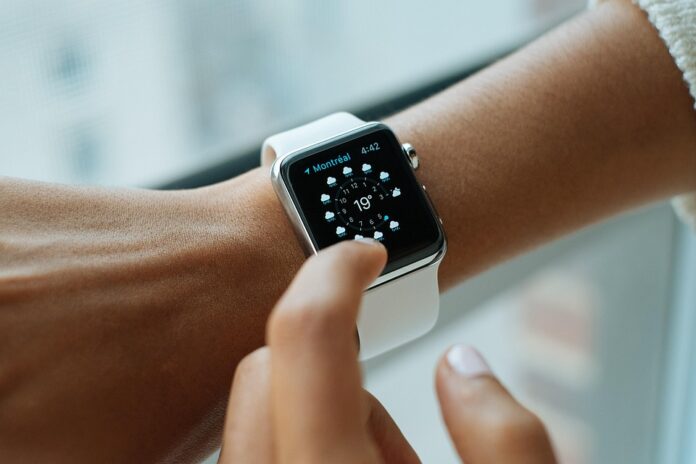
The world of technology continues to evolve at a breakneck pace, and one of the most prominent trends reshaping our daily lives is wearable technology. Devices like smartwatches, fitness trackers, and augmented reality glasses are no longer just luxury items; they have become essential tools that offer convenience, health benefits, and a connection to our digital lives. As we explore the impact and future of wearables, it becomes evident that they are on the cusp of revolutionizing how we interact with the world around us.
A Brief History of Wearable Tech
Though wearable technology may seem like a modern phenomenon, its roots can be traced back to the early 20th century. The first known wearable device was a simple radio transmitter worn as a belt in the 1920s. Fast forward to the 1980s, when wearable computers began to surface in research labs, and the foundational principles of today’s devices started to take shape.
The real turning point came in the last decade with the rise of smartwatches and fitness trackers. The launch of the Apple Watch in 2015 and the proliferation of devices from companies like Fitbit and Garmin have made wearables more mainstream. With advancements in sensors, battery life, and software, today’s wearables have evolved from simple pedometers to intricate devices capable of tracking a range of health metrics, receiving notifications, and even making payments.
The Many Applications of Wearable Technology
1. Health and Fitness Monitoring
Wearable devices have become invaluable tools for health and fitness enthusiasts. Sensors embedded in devices can track heart rate, sleep patterns, physical activity, and even blood oxygen levels. Fitness trackers motivate users to move more, offering insights through data that encourage healthier lifestyles. For example, if a person hasn’t reached their daily step goal, the watch will offer reminders to get up and be active.
Moreover, continuous health monitoring has broad implications for healthcare. Wearables can alert users to irregular heart rates, notify them when physical activity levels drop, or even remind them to take medications. This proactive approach can lead to early detection of health issues and reduce hospital visits, ultimately improving the quality of care.
2. Enhanced Connectivity
Wearable devices enable real-time notifications directly from your wrist, allowing you to stay connected while on the move. Whether it’s receiving texts, emails, or social media alerts, smartwatches empower individuals to engage without having to pull out their smartphones constantly. This feature is particularly appealing for parents or professionals who want to multitask effectively.
With the advent of 5G technology, the ability of wearables to stream data seamlessly is set to reach new heights, allowing for more complex tasks and applications. Imagine taking a video call or sending a high-definition image—all from your smartwatch!
3. Augmented Reality and Beyond
One of the most exciting applications of wearables is in augmented reality (AR). Glasses equipped with AR technology overlay digital information onto the real world, enhancing experiences in both entertainment and education. Companies like Google and Microsoft are at the forefront, developing headsets that have applications ranging from gaming to surgical training.
The prospects for AR in wearables are immense. Imagine using a pair of smart glasses to navigate a new city, with directions displayed in your field of vision, or taking an interactive history lesson that brings historical sites to life. The future of education and entertainment could be dramatically enhanced through these technologies.
The Economic Impact of Wearables
As the market for wearable technology continues to grow, its economic impact is significant. According to industry reports, the global wearables market is expected to reach over $100 billion by the late 2020s. This growth is creating jobs and opportunities in various fields, including healthcare, software development, and data analysis.
Big tech companies are investing heavily in research and development, leading to innovations and improvements in performance, design, and functionality. Smaller startups are also entering the fray, creating niche products that cater to specific audience segments—like sleep innovation or specialized fitness.
Privacy and Ethical Considerations
As with any technology that collects personal data, wearables come with privacy concerns. Users must be informed about how their data is being stored and used. Companies face the ethical challenge of prioritizing user privacy while still providing robust services. The rise of fitness and health-related data tracking means that safeguarding this information is paramount.
Furthermore, how society perceives wearables will likely evolve. As people become more comfortable with technology monitoring their health and fitness, we may witness broader acceptance. However, this acceptance must go hand-in-hand with a strong commitment to data security and user privacy.
The Future of Wearable Technology
The potential of wearable technology is only beginning to be realized. As the Internet of Things (IoT) continues to grow, wearables will become an integral part of our daily environment. Smart homes, connected cars, and wearable devices will interact with one another, creating a seamless ecosystem that enhances our lives.
In the healthcare sphere, developments in biosensors could lead to wearables that monitor a person’s health in real-time continuously. This could facilitate a transformative shift from reactive to proactive healthcare, improving outcomes and lowering healthcare costs. Additionally, the integration of AI will allow wearables to provide personalized experiences based on user preferences and behaviors.
Conclusion
The impact of wearable technology on daily life is profound and multifaceted. Whether it’s promoting better health, enhancing connectivity, or ushering in new modes of interaction, the future of wearables is bright. As this technology continues to evolve, it holds the promise of enriching our lives in ways we are only beginning to imagine. The future truly is on our wrists, and it’s just getting started.
Frequently Asked Questions (FAQs)
Q: What types of wearable devices are there?
A: Wearable devices include smartwatches, fitness trackers, augmented reality glasses, heart rate monitors, smart clothing, and even health-monitoring patches.
Q: How do wearables track health data?
A: Most wearables use a combination of sensors, such as accelerometers, gyroscopes, heart rate sensors, and GPS, to monitor various health metrics.
Q: Are wearables safe to use?
A: Generally, wearable devices are considered safe. However, users should be aware of potential privacy issues and carefully read the privacy policies of the manufacturers.
Q: Do I need to have a smartphone to use a smartwatch?
A: While many smartwatches have standalone features, most are designed to work in conjunction with smartphones for optimal functionality, such as receiving notifications and apps.
Q: What’s the future of wearable technology?
A: The future includes advancements in health monitoring, integration with AI, and developments in augmented reality. As technology evolves, wearables are expected to become more personalized and interconnected with other devices.

