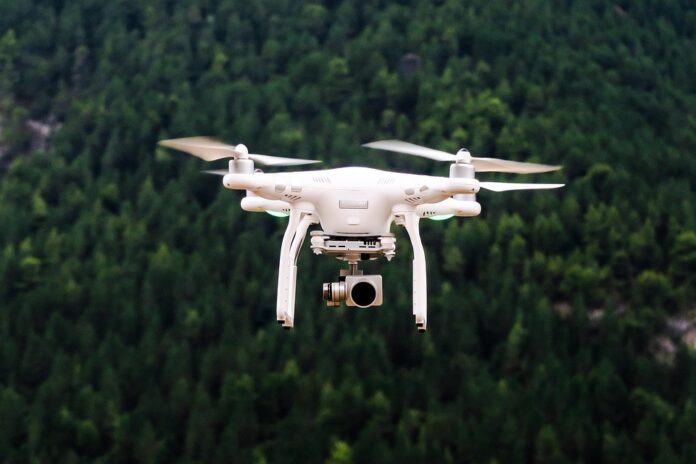
Drones, also known as Unmanned Aerial Vehicles (UAVs), have evolved from being innovative gadgets used primarily for recreational purposes to essential tools in various industries. As technology advances, the applications of drones are rapidly expanding, leading to transformative changes in sectors such as agriculture, healthcare, logistics, construction, and more. This article explores how drones are reshaping these industries and what the future holds.
The Evolution of Drones
The history of drones dates back to the military applications of aerial reconnaissance during World War I. However, it was only in the 21st century, with advancements in technology and miniaturization, that the use of drones expanded significantly. Today, drones are equipped with high-resolution cameras, GPS navigation, and sensors designed for a myriad of tasks, making them valuable assets beyond military applications.
1. Agriculture: Precision Farming
Drones are revolutionizing agriculture through precision farming techniques. Farmers now use drones to monitor crop health, assess soil conditions, and even distribute fertilizers and pesticides. Equipped with multispectral cameras, drones can collect data on plant health by analyzing light reflectance.
Benefits in Agriculture:
- Efficiency: Farmers can cover large areas in less time compared to traditional methods.
- Cost-Effectiveness: Reduced labor costs and optimized resource usage lead to significant savings.
- Data-Driven Decisions: Farmers can make informed decisions based on real-time data on crops.
For example, a farmer may deploy a drone fitted with a thermal imaging camera to identify areas of water stress in crops, allowing for targeted irrigation.
2. Healthcare: Life-Saving Deliveries
The healthcare industry has also begun to harness the power of drones. They are being used to deliver medical supplies, vaccines, and even blood to remote areas. This is particularly useful in regions with limited access to healthcare facilities.
Case Studies:
- Rural Health Initiatives: In countries like Rwanda and Ghana, drones have been employed to transport blood and medical supplies to rural clinics.
- COVID-19 Response: During the pandemic, drones were used to deliver COVID-19 vaccines to remote locations, minimizing risking the health of transport personnel.
Drones can navigate difficult terrain and swiftly transport urgent medical materials, making them indispensable tools in emergency medical services.
3. Logistics: The Future of Delivery
With the rise of e-commerce, logistics companies are at the forefront of adopting drone technology. Companies like Amazon and Walmart are investing heavily to develop drone delivery services that promise to shorten delivery times significantly.
Advantages in Logistics:
- Reduced Delivery Times: Drones can deliver packages in less than an hour, compared to traditional logistics methods that can take days.
- Cost-Effective Operations: By minimizing human labor and cutting transportation costs, companies can offer competitive shipping rates.
- Environmental Impact: Drones are generally more energy-efficient compared to delivery trucks, contributing to lower carbon emissions.
For instance, Amazon’s Prime Air service envisions a future where packages weighing up to five pounds can be delivered directly to customers’ doorsteps, just 30 minutes after ordering.
4. Construction: Aerial Surveying and Inspection
Drones have become essential tools in the construction industry for surveying and site inspections. They help in creating accurate topographical maps and monitoring construction progress.
Key Applications:
- Site Surveying: Drones can generate detailed 3D maps of construction sites in a fraction of the time it would take using traditional surveys.
- Progress Monitoring: Project managers can use aerial footage to track project milestones and ensure compliance with deadlines.
- Safety Inspections: Drones can carry out inspections in difficult-to-reach areas, minimizing risks to human workers.
Using photogrammetry and laser scanning technology, drones can deliver precise data that improves planning and reduces costs.
5. Public Safety and Disaster Management
Drones are increasingly being utilized by emergency services and local governments for public safety and disaster management. They can provide real-time assessment of emergency situations and aid in search and rescue operations.
Applications in Public Safety:
- Disaster Response: Drones can be deployed to survey disaster-stricken areas, helping first responders assess damage and plan their response.
- Crowd Monitoring: During large gatherings or events, drones can monitor crowd behavior and provide situational awareness to ensure safety.
- Firefighting: Drones equipped with infrared cameras can help firefighters locate hotspots during wildfires, improving their responsiveness.
Through high-resolution imagery and real-time data, drones enhance the effectiveness of emergency response efforts.
The Future of Drones
As technology continues to advance, the future of drones appears promising. Innovations such as artificial intelligence and machine learning are set to enhance drone capabilities even further. For instance, AI can enable drones to make autonomous decisions based on the data they collect.
Regulatory Framework:
The growth of drone technology also calls for a robust regulatory framework to ensure safe and responsible usage. Governments worldwide are working on regulations that balance innovation and safety, paving the way for wider adoption of drones across sectors.
Challenges Ahead:
While the future looks bright, challenges remain, including concerns over privacy, airspace congestion, and maintenance costs. Addressing these issues will be crucial for the sustainable integration of drones into everyday business operations.
Conclusion
Drones are not just flying gadgets; they are powerful tools that are transforming industries and enhancing efficiency, safety, and effectiveness across various sectors. From agriculture to healthcare, logistics, construction, and public safety, drones are paving the way for innovative solutions that redefine traditional practices. As technology advances and regulations adapt, the potential for drones to further impact industries will only grow, ushering in a new era of aerial innovation.
FAQs
1. What are the different types of drones?
Drones come in various types, including fixed-wing drones, multirotors, single-rotors, and hybrid drones. Each type has different capabilities suited to various applications.
2. Are drones safe to use?
When operated within regulations and guidelines, drones are generally safe. However, risks like collisions and privacy issues must be managed.
3. How can drones be used for environmental monitoring?
Drones can monitor deforestation, wildlife populations, and pollution levels by capturing high-resolution data over large areas.
4. What regulations govern drone usage?
Drone regulations vary by country. In the U.S., the Federal Aviation Administration (FAA) sets guidelines regarding drone operation, registration, and airspace restrictions.
5. Will drones replace human jobs?
While drones will likely change the landscape of many jobs, they are more likely to augment human capabilities rather than completely replace them. They will handle repetitive tasks, allowing humans to focus on more complex responsibilities.

