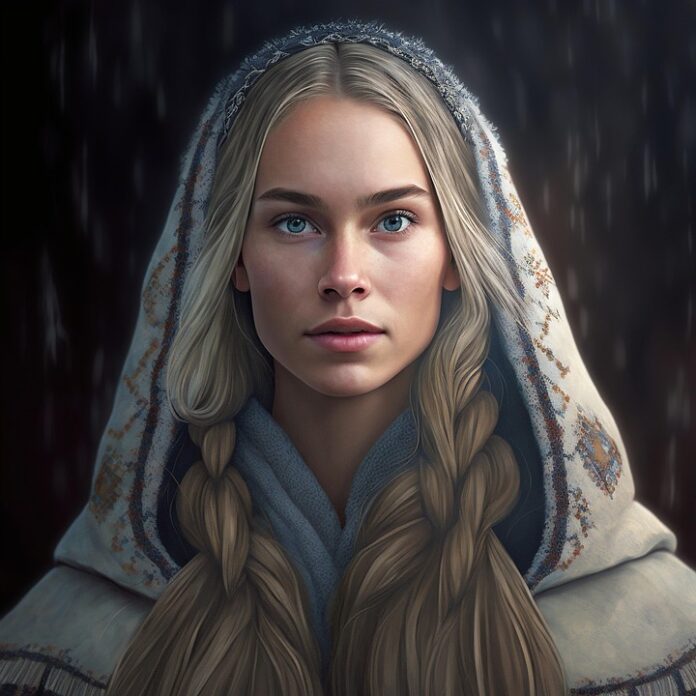
In the fast-evolving landscape of technology, few advancements have sparked as much debate and excitement as artificial intelligence (AI). Among its various applications, AI image generation has emerged as a revolutionary force in the world of art. From creating hyper-realistic portraits to abstract compositions that challenge our perceptions of creativity, AI-generated art is altering the traditional boundaries of what art is and can be. This article delves into the transformative impact of AI on the art world, exploring its implications for artists, the creative process, and society at large.
The Genesis of AI in Art
AI’s foray into the art realm began with the development of algorithms capable of processing and mimicking various forms of artistic styles. Early manifestations included digital tools that assisted human artists in their creations. However, with advancements in machine learning, particularly deep learning, AI systems have progressed to a stage where they can generate entirely new works independent of human intervention.
Techniques such as Generative Adversarial Networks (GANs) allow machines to create images by training on vast datasets, learning patterns, styles, and even emotions. This leads to vibrant compositions that can blend different artistic genres, styles, and techniques, producing results that may even defy human creativity.
The Creative Process: Man vs. Machine?
One of the most pressing questions surrounding AI-generated art is the role of human artists. Are AI systems merely tools, or do they represent a new creative entity? Some argue that AI simply operates based on a set of algorithms and data inputs, lacking true creativity or emotional depth, essential qualities for art. Others posit that the collaboration between AI and human artists can lead to groundbreaking developments.
This collaboration redefines the creative process. Artists can use AI to generate ideas or concepts, pushing their creative boundaries. The interaction can spur innovation, where human intuition and machine efficiency combine to produce art that neither could achieve alone.
The Emergence of AI Art Styles
AI image generation has spawned unique art styles that challenge conventional aesthetics. For instance, the combination of human-generated artwork with AI-generated outputs can create hybrids that reflect the spontaneity and unpredictability of both mediums. Software like DALL-E and Midjourney generates images based on text prompts, allowing anyone to visualize concepts or ideas that were previously limited to the human imagination.
Moreover, AI is not restricted to a single style or medium. By training on a broad spectrum of artworks, AI can mimic styles ranging from classical painting to contemporary digital art. This capacity for genre-bending has increased access to art creation, providing tools for individuals who may not have traditional artistic training yet wish to explore their creativity.
AI in the Art Market
As AI-generated art gains popularity, it’s making waves in the art market. Notably, an AI-generated portrait titled “Edmond de Belamy” sold for an astounding $432,500 at auction in 2018. This sale marked a turning point, demonstrating that AI art has a place in high-end galleries and auctions.
However, questions arise about ownership and authorship. If an AI generates an artwork, who owns the rights? The legal landscape surrounding AI-generated content is still unclear, leading to significant debates within the art and legal communities. This uncertainty provides a rich ground for discourse about originality, creativity, and the value of art.
Ethical Considerations
The integration of AI in art also brings forth numerous ethical concerns. One significant issue is the potential for AI to perpetuate existing biases found in training datasets. If an AI system learns from a biased collection of artworks, it may produce works that reflect those same biases, raising questions about cultural representation and diversity in art.
Moreover, the ability of AI to replicate human styles raises concerns about authenticity. As AI can imitate any artist’s style, the line between homage and plagiarism becomes increasingly blurred. Artists may find their identities commodified or their techniques misappropriated.
The Future of AI in Art
Looking ahead, the future of AI-generated art is both exciting and uncertain. As technology continues to advance, we can expect even more sophisticated tools that allow for greater interactivity and intuitive design processes. These developments could unlock new creative avenues, encouraging more individuals to participate in the art world.
Furthermore, educational institutions are beginning to integrate AI into their art curricula, suggesting a shift in how future artists are trained. Rather than viewing AI as a threatening entity, it could be seen as a crucial tool in the artist’s arsenal.
Conclusion
AI image generation is not merely a technological novelty; it is redefining art in fundamental ways. By challenging our notions of creativity, authorship, and artistic value, AI is catalyzing a new artistic renaissance. The coexistence of human and machine creativity paves the way for an expansive future of possibilities, where art is more accessible, diverse, and exciting than ever before.
FAQs
1. What is AI image generation?
AI image generation involves using algorithms and machine learning techniques to create images based on inputs, such as text prompts, existing artworks, or specific styles. This technology allows for the generation of unique artworks without direct human involvement.
2. Are AI-generated artworks considered original?
The originality of AI-generated artworks is a complex issue. While the images produced are unique in terms of their creation, debates continue over authorship and artistic intent, complicating the definition of originality in this context.
3. Can AI replace human artists?
While AI can generate artworks and assist in the creative process, it lacks human consciousness, emotional depth, and intuition. Thus, it is unlikely to fully replace human artists but may enhance their abilities and broaden creative possibilities.
4. What are the ethical concerns surrounding AI art?
Ethical concerns include the potential for biased outputs based on training data, issues of copyright and ownership, and the risk of replicating styles without permission. These issues raise questions about representation, authenticity, and the value of human creativity.
5. How is AI art impacting the art market?
AI-generated art is gaining traction in the art market, with significant sales at auction and exhibitions in galleries. However, the emergence of AI also raises questions about ownership, value, and the definitions of art itself, resulting in an evolving market landscape.
6. What does the future hold for AI and art?
The future of AI in art likely involves continued collaboration between human artists and AI tools, leading to more innovative and diverse forms of expression. As technology improves, educational approaches may also change, integrating AI into artistic training and encouraging broader participation in creative endeavors.

