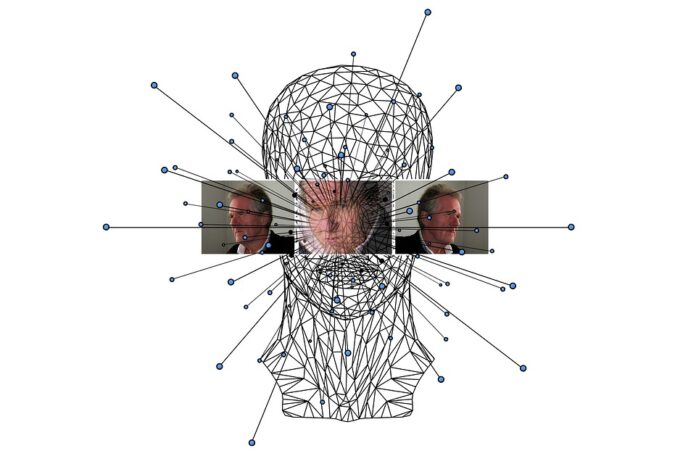
In the rapidly advancing landscape of technology, few innovations have garnered as much attention as deep learning. A subfield of artificial intelligence (AI), deep learning mimics the neural networks of the human brain, enabling machines to learn from vast amounts of data. This groundbreaking approach has not only transformed how we interact with technology but is also revolutionizing multiple industries. From healthcare to finance, automotive to retail, deep learning is unlocking a future filled with limitless possibilities.
Understanding Deep Learning
Deep learning is a technique within machine learning that employs neural networks with many layers—hence the term “deep.” These layers analyze data, identify patterns, and make decisions with minimal human intervention. Unlike traditional machine learning algorithms that require feature engineering, deep learning automates the process of feature extraction, making it particularly powerful for handling unstructured data like images, text, and audio.
Key Components of Deep Learning
- Neural Networks: The backbone of deep learning, a neural network consists of interconnected nodes (neurons) that process data in layers.
- Data: The success of deep learning hinges on large datasets, often drawn from diverse sources.
- Computational Power: Advances in GPU technology have made it feasible to train deep learning models on massive datasets in shorter timeframes.
- Algorithms: Algorithms such as convolutional neural networks (CNNs) and recurrent neural networks (RNNs) are optimized for specific types of data and tasks.
Applications Across Industries
1. Healthcare
Deep learning is making strides in healthcare, where it aids diagnosis and treatment planning. For instance:
- Medical Imaging: CNNs are employed in radiology to detect abnormalities in imaging scans such as X-rays and MRIs. Systems like Google’s DeepMind have achieved physician-level accuracy in identifying conditions like cancer.
- Personalized Medicine: By analyzing patient data, deep learning algorithms can predict individual responses to treatments, enabling personalized care.
- Drug Discovery: Fast-tracking drug development is another application, where deep learning models can analyze biological data to predict how different compounds will affect a particular disease.
2. Finance
In finance, deep learning enhances risk assessment, fraud detection, and investment strategies:
- Fraud Detection: Deep learning algorithms analyze patterns in financial transactions, identifying anomalies that suggest fraudulent activity.
- Risk Management: By processing vast amounts of market data, these algorithms can assess risk profiles, helping in making informed investment decisions.
- Algorithmic Trading: Hedge funds increasingly rely on deep learning models for developing trading strategies based on predictive analysis.
3. Automotive
The automotive industry is undergoing a transformation thanks to deep learning, especially with the advent of autonomous vehicles:
- Self-Driving Cars: Companies like Tesla and Waymo utilize deep learning for perception tasks such as object detection, lane recognition, and navigation.
- Predictive Maintenance: Deep learning models can forecast vehicle failures by analyzing data from various sensors, enabling timely maintenance and reducing downtime.
4. Retail
In retail, deep learning enhances customer experience and operational efficiency:
- Personalization: Retailers use deep learning algorithms to analyze shopping behaviors, recommending products tailored to individual preferences.
- Inventory Management: Forecasting demand using deep learning helps businesses optimize stock levels, reducing both overstock and stockouts.
- Chatbots and Virtual Assistants: Deep learning enables more intelligent customer service solutions, providing timely assistance through natural language processing.
5. Marketing
Deep learning is also reshaping marketing strategies:
- Customer Insights: Analyzing customer data allows companies to identify trends and preferences, leading to better-targeted marketing campaigns.
- Content Creation: Algorithms can generate content automatically, streamlining the creation process for brands and agencies.
Challenges and Limitations
While deep learning presents numerous opportunities, it is not without challenges:
- Data Privacy: The reliance on vast amounts of data raises concerns regarding privacy and security.
- Interpretability: Deep learning models often operate as “black boxes,” making it difficult to understand how decisions are made, which can be problematic in high-stakes scenarios.
- Resource Intensive: Training deep learning models requires substantial computational resources, which can be costly and environmentally taxing.
Future Trends
Looking to the future, several trends in deep learning are poised to emerge:
- Edge Computing: As devices become more connected, processing data at the edge will allow for faster response times and reduced bandwidth usage.
- Explainable AI (XAI): To address interpretability issues, researchers are focusing on making deep learning models more transparent.
- Continual Learning: Developing models that adapt and learn continuously from new data without forgetting previously acquired knowledge is a key area of research.
Conclusion
Deep learning is unlocking new frontiers across various industries, paving the way for innovations that were previously unimaginable. As organizations continue to integrate this transformative technology into their operations, the potential for enhanced efficiency, improved customer experiences, and groundbreaking solutions will only grow. The journey has just begun, and we stand on the cusp of a future shaped by the incredible capabilities of deep learning.
FAQs
Q1: What is deep learning?
A: Deep learning is a subfield of artificial intelligence that uses neural networks with many layers to analyze data, learn from patterns, and make decisions.
Q2: What industries are most affected by deep learning?
A: Industries such as healthcare, finance, automotive, retail, and marketing are significantly impacted by deep learning technologies.
Q3: What are the advantages of using deep learning over traditional machine learning?
A: Deep learning automates feature extraction and can handle unstructured data, often delivering better performance with large datasets.
Q4: Are there any ethical concerns associated with deep learning?
A: Yes, issues like data privacy, security, and the interpretability of decisions made by deep learning models raise ethical concerns.
Q5: What is the future of deep learning?
A: The future of deep learning includes advancements in edge computing, explainable AI, and continual learning, which are expected to enhance its applicability and effectiveness.
Q6: How is deep learning used in healthcare specifically?
A: In healthcare, deep learning is used for medical imaging analysis, personalized treatment plans, and expediting drug discovery processes.

