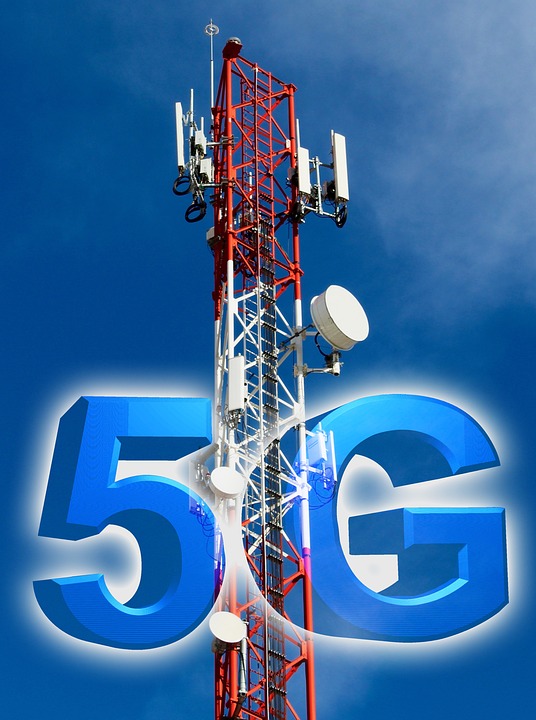
In an era where connectivity defines the fabric of our daily lives, the advent of 5G technology is fostering a revolution that promises to reshape our world fundamentally. This next-generation cellular network technology not only enhances mobile internet speeds but also introduces a plethora of applications that go beyond just faster browsing. From empowering smart cities to revolutionizing healthcare, 5G is set to change the way we work, live, and interact with technology.
What is 5G?
5G, or fifth-generation wireless technology, is a significant advancement over its predecessor 4G. It’s designed to provide higher speeds, reduced latency, and greater capacity. The 5G spectrum utilizes a broader band of frequencies, allowing it to transmit more data simultaneously and reach more devices without lag. Speeds can approach 10 Gbps, which is up to 100 times faster than 4G. More importantly, 5G operates with extremely low latency, often less than a millisecond, making real-time applications such as gaming, augmented reality (AR), and virtual reality (VR) seamless.
Key Features of 5G
- High Speed: 5G offers lightning-fast speeds, making it feasible to download high-definition movies in seconds.
- Low Latency: The minimal delay in communication allows applications that require real-time feedback, such as remote surgeries and autonomous vehicles.
- Massive Device Connectivity: 5G can support a significantly higher number of devices connected simultaneously, facilitating the Internet of Things (IoT).
- Enhanced Capacity: With the capacity to carry more data, 5G networks can handle the increasing demand for mobile broadband.
The Transformational Impact of 5G
1. Smart Cities
One of the most promising applications of 5G technology is within smart city initiatives. 5G facilitates the collection and analysis of data from various sensors embedded throughout urban spaces. These connections can optimize everything from traffic management to waste disposal systems. For example, smart traffic lights can adjust based on real-time vehicle flow, reducing congestion. With faster connectivity, municipalities can provide enhanced public services, ultimately improving the quality of urban life.
2. Healthcare Innovations
The healthcare sector stands to benefit immensely from 5G advancements. Remote consultations and telemedicine are gaining traction, thanks to the network’s reliability and speed. Surgeons can perform operations in real-time through robotics, with minimal latency, providing patients in remote locations access to world-class medical attention. Moreover, remote patient monitoring systems can transmit critical health data instantaneously, enabling timely interventions and efficient healthcare management.
3. Autonomous Vehicles
5G’s low-latency features are game-changing for the automotive industry. Autonomous vehicles require real-time communication with other vehicles and infrastructure to operate safely. With 5G, data from vehicles can be exchanged almost instantaneously, reducing accidents, improving traffic flow, and providing key navigation information. Enhanced vehicle-to-everything (V2X) communication can make roads significantly safer.
4. Enhanced Entertainment Experiences
As digital content becomes more mainstream, 5G provides the infrastructure needed to support advanced multimedia experiences. Streaming in 4K or even 8K becomes feasible without buffering issues. Technologies such as AR and VR, which require significant bandwidth for real-time rendering, can also flourish in a 5G environment. This enables immersive gaming experiences, virtual concerts, and interactive events that were previously impractical.
5. Industrial Automation
Manufacturing and industrial sectors are poised to leverage 5G for automation and efficiency. Smart factories equipped with 5G can utilize connected devices that improve operational efficiency, reduce waste, and increase productivity. Predictive maintenance in manufacturing is dramatically enhanced with real-time data transmission, allowing businesses to anticipate equipment failures and schedule maintenance efficiently.
Challenges Ahead
Despite its numerous benefits, the rollout of 5G technology is not without challenges. Concerns related to infrastructure, security, and health implications are paramount.
Infrastructure and Coverage
Establishing a comprehensive 5G network involves significant investments in infrastructure, including new antennas and fiber cable systems. Rural areas face particular challenges in accessing 5G technology due to the required density of base stations. Efforts to bridge the digital divide will be necessary to ensure equitable access to 5G capabilities.
Security Concerns
The increased connectivity that 5G offers also raises cybersecurity concerns. A higher number of connected devices can create more points of vulnerability. Infrastructures, especially those related to critical services like healthcare and transportation, require robust security measures to prevent malicious attacks.
Health Concerns
There have been debates surrounding the health implications of increased wireless radiation exposure. While health organizations, such as the World Health Organization (WHO), state that 5G technology is safe when implemented under current guidelines, public apprehension remains a challenge for broader acceptance.
The Future of 5G
Looking ahead, it’s clear that 5G technology is not just a trend; it represents a paradigm shift. As industries grow increasingly reliant on robust connectivity, the innovation spurred by 5G will likely facilitate the emergence of new sectors, create jobs, and enhance overall global productivity. Moreover, ongoing advancements such as 6G are already being conceptualized, indicating that the journey of connectivity enhancement is far from over.
Conclusion
In conclusion, the 5G revolution is more than just a step up from previous technologies; it’s reshaping industries, enhancing quality of life, and redefining the limits of human potential. As this technology continues to deploy and mature, the possibilities for innovation are limitless.
FAQs
Q: What is 5G technology?
A: 5G is the fifth generation of wireless technology that provides faster speeds, lower latency, and greater capacity compared to previous generations.
Q: How fast is 5G?
A: 5G can offer speeds approaching 10 Gbps, which is significantly faster than 4G.
Q: What are the applications of 5G technology?
A: 5G can enhance smart cities, healthcare, autonomous vehicles, entertainment, and industrial automation.
Q: Are there health risks associated with 5G?
A: Current research by organizations like the WHO suggests that 5G is safe when implemented under established guidelines, though public concerns persist.
Q: What challenges does 5G face?
A: Major challenges include infrastructure investment, cybersecurity vulnerabilities, and public health concerns.
Q: What is the future of connectivity after 5G?
A: As 5G becomes more prevalent, researchers are already exploring 6G technologies that promise even greater capabilities and connect the world in unprecedented ways.

