Mixed Reality (MR)—that harmonious blend of the physical and digital worlds—is no longer confined to the realm of science fiction. With advancements in technology, MR is now transforming various sectors, from education and healthcare to entertainment and retail. This article delves into the profound impact of mixed reality, its applications, and what the future holds.
Understanding Mixed Reality
Before delving into its implications, it’s essential to define mixed reality. MR combines elements of both augmented reality (AR) and virtual reality (VR). While AR overlays digital content onto the real world, and VR immerses users entirely within a virtual environment, MR allows for interaction between real and virtual objects in real-time. This interactive experience enriches how we perceive and engage with our surroundings.
Technological Foundations
The foundation of mixed reality lies in advanced technologies such as:
-
Sensors and Cameras: These capture the real world, providing data that MR systems can use to blend digital elements seamlessly.
-
Computational Power: Powerful processors enable real-time rendering of complex graphics and behaviors, making interactions fluid and natural.
-
Software Development Kits (SDKs): Tools like Microsoft’s Mixed Reality Toolkit (MRTK) and Unity enable developers to create MR applications more efficiently.
-
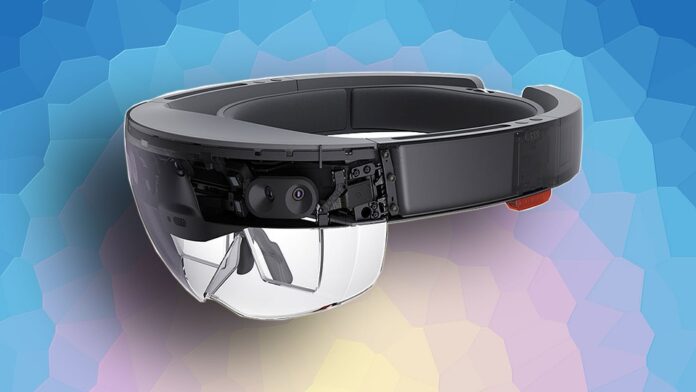
Wearable Devices: Headsets like Microsoft HoloLens and Meta Quest are popular MR devices enabling users to experience and interact with mixed reality.
Diverse Applications of Mixed Reality
1. Education
One of the most promising applications of mixed reality is in education. MR can create immersive learning experiences that enhance understanding and retention. Consider these scenarios:
-
Virtual Field Trips: Students can explore ancient civilizations or distant planets without leaving the classroom. MR can recreate environments that make learning engaging and interactive.
-
Interactive Simulations: Medical students can practice surgical procedures in a risk-free environment, gaining invaluable hands-on experience.
-
Enhanced Collaboration: MR provides tools for collaborative learning, allowing students from different locations to engage in real-time, interactive lessons that feel more personal and engaging.
2. Healthcare
Mixed reality is making waves in the healthcare sector as well:
-
Surgical Assistance: Surgeons can use MR to visualize complex anatomical structures during procedures, overlaying critical data onto their field of view, which can lead to improved outcomes.
-
Patient Treatment: Therapeutic interventions, such as pain management and phobias, can be enhanced through MR experiences that simulate environments tailored to patients’ needs.
-
Medical Training: Trainees can use MR to practice skills safely, receiving immediate feedback and guidance on their techniques.
3. Retail
Mixed reality is transforming the retail landscape:
-
Virtual Try-Ons: Shoppers can use MR to try on clothes, accessories, or even makeup virtually before making a purchase, significantly enhancing the online shopping experience.
-
Interactive Displays: Retailers can create engaging in-store experiences, allowing customers to interact with products through immersive technology.
-
Personalized Shopping: MR can analyze customer preferences and behaviors, tailoring a shopping experience that feels unique to each individual.
4. Entertainment
The entertainment industry has embraced mixed reality, leading to revolutionary experiences:
-
Gaming: MR brings gaming to life by merging digital characters with the real world. Games like “Pokémon GO” have shown how this technology can change the way we interact with our environment.
-
Virtual Concerts and Events: Artists can host concerts that blend physical and virtual elements, allowing fans to attend from anywhere in the world.
-
Filmmaking: MR can enhance storytelling by integrating real-world elements with digital content, creating immersive cinematic experiences.
The Future of Mixed Reality
As we look to the future, the potential of mixed reality seems boundless. However, several key factors will shape its evolution:
1. Accessibility and Affordability
As technology advances, MR devices will become more accessible and affordable for the general public. Companies are already focusing on reducing costs while increasing functionality.
2. Enhanced User Experience
Improvements in user interfaces will allow for more intuitive and seamless interactions. Voice commands, gestures, and haptic feedback can all enhance how users engage with MR content.
3. Integration with AI and IoT
The integration of mixed reality with artificial intelligence (AI) and the Internet of Things (IoT) will usher in a new era of interactivity. Smart devices can automate and enhance user experiences, allowing for more customized content delivery.
4. Ethical Considerations and Privacy
As mixed reality grows, so will the challenges surrounding data privacy, ethics, and digital rights. Addressing these concerns is crucial to ensuring responsible and equitable adoption.
5. Ongoing Research and Development
Research continues to drive the technology forward, with innovative applications likely emerging across various fields. Collaborative efforts between industries, academia, and tech firms will be essential for fostering MR’s growth.
Conclusion
The transformative power of mixed reality is reshaping how we learn, interact, shop, and entertain ourselves. As MR technology evolves, it promises to create richer experiences that blur the lines between the physical and digital worlds. Individuals and businesses alike stand to benefit from this technological shift, making it crucial for them to stay informed and adapt to this ever-changing landscape.
FAQs
Q1: What is the difference between augmented reality, virtual reality, and mixed reality?
A1: Augmented reality overlays digital information onto the real world, while virtual reality immerses users in a completely digital environment. Mixed reality combines elements of both, allowing for interaction between real and virtual objects.
Q2: What are some popular mixed reality devices?
A2: Some well-known mixed reality devices include Microsoft HoloLens, Magic Leap One, and Meta Quest. These devices facilitate immersive MR experiences in various applications.
Q3: How is mixed reality used in education?
A3: Mixed reality is used in education for virtual field trips, interactive simulations, and collaborative learning experiences, enhancing student engagement and understanding.
Q4: Are there privacy concerns associated with mixed reality?
A4: Yes, privacy concerns are notable, especially given that MR devices collect data about users’ environments and behaviors. It’s essential to address these issues to ensure ethical usage.
Q5: What industries are likely to benefit most from mixed reality?
A5: Industries such as healthcare, education, retail, and entertainment are expected to see significant transformations thanks to mixed reality, enhancing both customer experience and operational efficiency.

