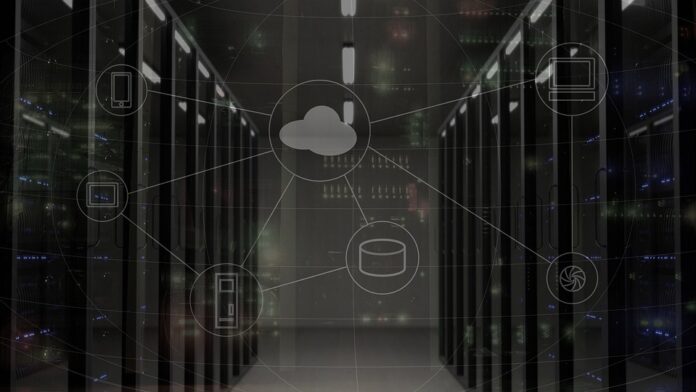
In the fast-paced digital era, businesses and organizations are increasingly reliant on robust IT infrastructure. This infrastructure serves as the backbone for operations, communications, and strategy implementation. As technology continues to evolve, understanding the essential components of a modern IT infrastructure is critical for both current and future success. This article explores these components and highlights their importance in building an efficient, scalable, and secure IT environment.
1. Cloud Computing
Overview
Cloud computing has fundamentally transformed the way organizations manage and store data. Rather than relying solely on on-premises servers, businesses can leverage the power of the cloud to access computing resources and services over the internet.
Benefits
- Scalability: Organizations can quickly scale up or down based on their needs, allowing for greater flexibility in resource management.
- Cost Efficiency: The pay-as-you-go model means companies only pay for what they use, reducing overhead costs tied to maintaining physical hardware.
- Accessibility: Employees can access data and applications from anywhere, fostering remote work and increasing productivity.
Types of Cloud Services
- Infrastructure as a Service (IaaS): Offers virtualized computing resources over the internet.
- Platform as a Service (PaaS): Provides a platform allowing customers to develop, run, and manage applications without dealing with the underlying infrastructure.
- Software as a Service (SaaS): Delivers software applications over the internet, eliminating the need for installations.
2. Networking
Overview
A well-designed network is the foundation of any IT infrastructure. It facilitates communication between devices, data transfer, and internet connectivity.
Key Components
- Routers: Direct traffic between different networks.
- Switches: Connect devices within a single network.
- Firewalls: Provide security by controlling incoming and outgoing network traffic.
Trends
- Software-Defined Networking (SDN): Allows for more flexible and efficient network management.
- 5G Technology: Promises faster connection speeds and lower latency, enhancing network performance.
3. Data Management
Overview
Data is often considered an organization’s most valuable asset. Effective data management ensures that data is accurate, accessible, and secure.
Key Components
- Databases: Structured systems for storing and retrieving data.
- Data Warehousing: Central repositories for data collected from various sources.
- Data Lakes: Storage repositories that hold raw data in its native format.
Best Practices
- Data Governance: Establishing policies to ensure data accuracy and compliance.
- Regular Backups: Implementing strategies to regularly back up data to recover from potential losses.
4. Cybersecurity
Overview
As cyber threats become more sophisticated, prioritizing cybersecurity within IT infrastructure is no longer optional; it’s a necessity.
Key Elements
- Encryption: Protects sensitive information from unauthorized access.
- Intrusion Detection Systems (IDS): Monitors network traffic for suspicious activities.
- Security Information and Event Management (SIEM): Provides real-time analysis of security alerts.
Strategies
- Regular Audits & Assessments: Conducting regular reviews of security measures and compliance.
- Training and Awareness: Ensuring all employees are educated on best security practices.
5. Virtualization
Overview
Virtualization technology allows multiple virtual instances of operating systems or applications to run on a single physical machine, optimizing resource utilization.
Benefits
- Resource Efficiency: Maximizes hardware use and reduces energy costs.
- Isolation: Each virtual environment is isolated; failures in one do not affect others.
- Disaster Recovery: Virtual machines can be backed up and restored more easily than physical servers.
Key Technologies
- Virtual Machines (VMs): Software emulations of physical computers.
- Containers: Lightweight, standalone packages that include everything needed to run software.
6. Automation and Orchestration
Overview
Automation and orchestration streamline operations by reducing manual tasks, enhancing accuracy, and increasing efficiency.
Key Technologies
- Configuration Management Tools: Automate system configuration and software deployment.
- Continuous Integration/Continuous Deployment (CI/CD): Aims to automate and streamline software development.
Benefits
- Reduced Human Error: Minimizes the risk associated with manual tasks.
- Faster Deployment: Speeds up the release of new features and updates.
7. Monitoring and Analytics
Overview
Continuous monitoring and analytics are essential for maintaining the health and efficiency of IT infrastructure.
Key Components
- Performance Monitoring Tools: Track system performance and identify bottlenecks.
- User Behavior Analytics (UBA): Helps in understanding user interaction with systems, identifying anomalies.
Benefits
- Proactive Maintenance: Identifying issues before they escalate into major problems.
- Data-Driven Decision Making: Leveraging analytics to inform business strategy.
Conclusion
Building a modern IT infrastructure is a multi-faceted effort that involves cloud computing, effective networking, robust data management, cybersecurity measures, virtualization, automation, and continuous monitoring. As technology continues to evolve, organizations must remain agile and adaptable, investing in the essential components of IT infrastructure to not only meet current demands but also anticipate future challenges.
FAQ
Q1: What is the most critical component of modern IT infrastructure?
While all components are essential, cloud computing is often considered the most transformative, enabling scalability and flexibility.
Q2: How does automation benefit IT infrastructure?
Automation reduces manual tasks, minimizes human errors, and enhances operational efficiency, allowing teams to focus on strategic initiatives.
Q3: What are the best practices for cybersecurity in IT infrastructure?
Regular audits, employee training, and implementing robust security measures like firewalls and encryption are key practices.
Q4: What role does data management play in IT infrastructure?
Data management ensures that data is accurate, secure, and accessible, which is crucial for informed decision-making and operational efficiency.
Q5: Can small businesses benefit from cloud computing?
Absolutely! Cloud computing offers scalable solutions that can fit the budget and operational needs of small businesses, providing them the flexibility to grow.
By understanding and implementing these essential components, organizations can construct a resilient and future-ready IT infrastructure that not only supports current operations but also paves the way for innovation and growth.

