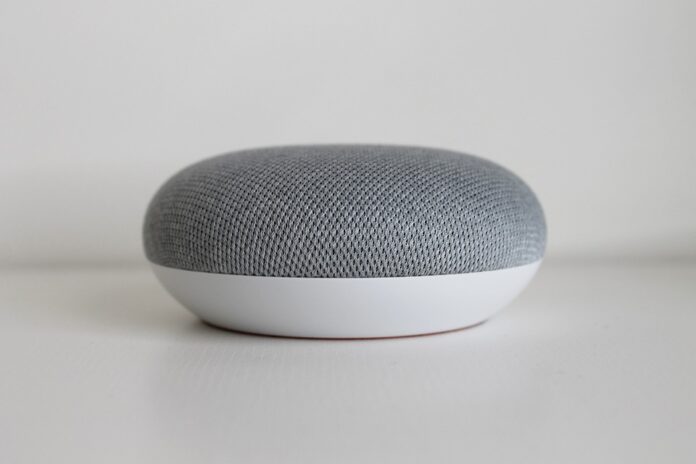
In recent years, voice assistants have transitioned from futuristic concepts to integral components of our daily routines. As technology evolves, these digital companions enhance our lives in ways we couldn’t have imagined just a decade ago. From simple tasks like checking the weather to more complex functions like controlling smart home devices, voice assistants are reshaping how we interact with technology and, by extension, each other. This article delves into the future of voice assistants, exploring their evolution, current impact, and potential advancements that lie ahead.
The Evolution of Voice Assistants
Voiceassistance technology began with experimental systems in academic labs and evolved into consumer-focused solutions like Siri, Google Assistant, Alexa, and Cortana. The advent of smartphones marked a significant turning point. Apple’s Siri, launched in 2011, popularized the use of voice commands, making it easier for users to access features without needing to type.
Progress in natural language processing (NLP) has underpinned developments in voice recognition. Earlier systems struggled with accents, dialects, and contextual understanding. However, advances in machine learning have equipped current voice assistants with the ability to learn over time, adapting to user preferences and improving accuracy.
Furthermore, the integration of voice assistants into a multitude of devices—from smartphones to smart speakers and appliances—has broadened their reach. Companies have invested heavily in creating ecosystems around these voice assistants, enhancing their capabilities and applications.
How Voice Assistants Are Changing Daily Life
1. Enhanced Convenience
Voice assistants have made accessing information and services a frictionless experience. Tasks such as setting timers, sending messages, or finding directions can now be accomplished hands-free. This convenience is particularly beneficial in moments when multitasking is essential—cooking in the kitchen, driving, or exercising.
2. Home Automation and Smart Living
The rise of the Internet of Things (IoT) has led to the proliferation of smart devices in our homes. Voice assistants act as the central hub for managing these devices. Lights, thermostats, security systems, and entertainment equipment can all be controlled via voice commands. Users can modify their homes’ ambiance, monitor security, and enhance energy efficiency without lifting a finger.
3. Accessibility for All
Voice technology is a boon for individuals with disabilities. For users with mobility challenges or visual impairments, voice assistants provide an intuitive interface for interacting with technology. The ability to control devices through speech can dramatically improve quality of life, offering independence and ease where traditional methods may have been frustratingly inaccessible.
4. Personalization and User Engagement
Voice assistants gather user data over time, allowing for a personalized experience. They can recommend playlists, find recipes, or even set reminders based on individual habits. This level of engagement fosters a closer relationship between users and their digital assistants, making these interactions feel more human-like.
5. Communication Revolution
Through voice commands, people can easily make phone calls, send texts, and even conduct video chats, enhancing connectivity with friends and family. Beyond personal use, businesses leverage voice technology for customer interactions. For instance, utilizing chatbots powered by voice assistants has streamlined support services, making communication more efficient.
The Future of Voice Assistants
1. Advancements in Natural Language Understanding
As AI continues to develop, future voice assistants will boast even more advanced NLP capabilities. This includes better understanding of context, nuance, and emotional tone, allowing for conversations that more resemble human interaction. Voice assistants might soon pick up on user moods and adjust responses accordingly, further personalizing experiences.
2. Greater Multimodal Interfaces
While voice is indeed a powerful medium, future interfaces will be more multimodal, combining voice, touch, and visual prompts. For instance, users could engage with their smart devices through a cohesive experience that combines voice conversations with visual displays on screens. Imagine asking your assistant about dinner recipes and simultaneously receiving a video tutorial.
3. Increased Integration with Augmented Reality (AR)
Voice technology could be pivotal in the rise of AR environments. Imagine navigating a new city while interacting with an AR system that provides information about landmarks through voice commands, enhancing the exploration experience.
4. More Languages and Dialects
The future holds the promise of making voice assistants accessible to even more people around the globe. As technology improves, it will be crucial to support various languages and dialects, addressing the diverse needs of users worldwide.
5. Privacy and Ethical Considerations
With the increasing integration of voice assistants in our daily lives, concerns about privacy and data security have emerged. Future developments will likely focus on transparency and user control over data collection. Voice assistants may offer greater options for managing personal information, ensuring users feel secure while enjoying the convenience of these technologies.
FAQs
1. What are voice assistants?
Voice assistants are AI-powered systems designed to understand and respond to spoken commands. Examples include Siri, Google Assistant, and Amazon Alexa.
2. How do voice assistants work?
Voice assistants use natural language processing (NLP) to decode human speech, interpret commands, and provide responses. They rely on large datasets and machine learning algorithms to improve accuracy over time.
3. Can I use voice assistants for smart home devices?
Yes, voice assistants can integrate with various smart home devices, allowing you to control lighting, thermostats, security systems, and appliances through voice commands.
4. Are voice assistants secure?
While voice assistants offer convenience, they can pose privacy risks. It is essential to understand the privacy policies of the services you use and manage settings to minimize data collection and control what information is shared.
5. Will voice assistants replace traditional interfaces?
While voice assistants provide significant advantages, they are likely to complement rather than replace traditional interfaces. Multimodal interactions, where voice is combined with touch and visual elements, are likely to emerge.
In conclusion, voice assistants represent a significant technological advancement that holds immense potential for further integration into our lives. As they evolve, our interactions with technology will become increasingly seamless and intuitive, guiding us toward a future where the digital world enhances our reality in ways we have only begun to explore. Embracing these changes will be vital as we navigate the transformative landscape of communication and technology.

