In recent years, the phrase “smart home” has transitioned from a futuristic dream to a tangible reality. The rapid advancement of technology has led to a surge in smart home devices designed to enhance convenience, improve energy efficiency, and elevate the overall living experience. As more homeowners embrace this transformation, it’s essential to explore how smart home technology is reshaping our living spaces and what it means for the future of domestic life.
Understanding Smart Home Technology
Smart home technology encompasses a range of devices that connect to the internet and can be controlled remotely through smartphones, tablets, or voice-activated assistants. These devices communicate with each other, facilitating automation and integration across various functions within a home. From smart thermostats and lighting systems to security cameras and appliances, the diversity of smart home solutions is vast, catering to an array of needs and preferences.
Key Components of Smart Home Technology
-
Smart Lighting: Smart bulbs or lighting systems allow homeowners to control lights remotely, set schedules, or automate actions based on certain conditions, such as motion detection or the time of day.
-
Smart Thermostats: These devices enable users to monitor and control their heating and cooling systems. They learn user habits and optimize energy usage, contributing to lower utility bills.
-
Smart Security Systems: From doorbell cameras to smart locks, these systems enhance home security. They provide real-time alerts, remote monitoring, and automated locking mechanisms.
-
Smart Appliances: Refrigerators, ovens, washing machines, and other appliances can now be equipped with smart technology, allowing users to control them remotely, receive maintenance alerts, and even track their usage statistics.
-
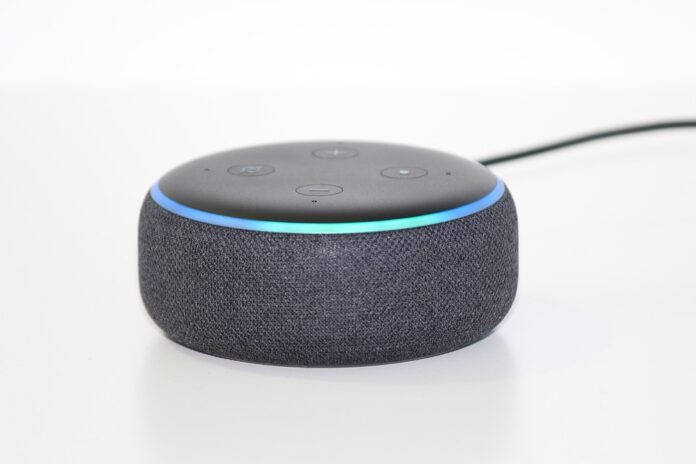
Smart Home Hubs: These central devices (like Amazon Echo or Google Nest Hub) serve as the brain of your smart home, enabling seamless communication between various smart devices and simplifying control.
Benefits of Smart Home Technology
1. Convenience
One of the most direct benefits of smart home technology is convenience. Imagine waking up in the morning and having your coffee brewed, lights turned on, and temperature adjusted—all before you even get out of bed. With automation, routine tasks can be streamlined, allowing homeowners more time to enjoy other activities.
2. Energy Efficiency
Smart devices offer enhanced energy management capabilities. For example, smart thermostats can learn when you are home and adjust accordingly, minimizing energy waste. Similarly, smart light bulbs can automatically turn off when a room is unoccupied. These efficiencies not only contribute to reduced utility bills but also support sustainability efforts.
3. Enhanced Security
Home security has become more advanced with smart technology. Homeowners can monitor their properties in real-time via security cameras and receive alerts about any unusual activity. Smart locks provide keyless entry and can be controlled remotely, allowing for added flexibility when managing access to your home.
4. Increased Home Value
As smart technology becomes increasingly popular, homes equipped with these devices tend to have higher market values. Potential buyers often see smart home features as appealing, contributing to overall desirability and price.
5. Improved Quality of Life
From improved accessibility for aging residents to enhanced control for individuals with disabilities, smart home technology can significantly improve quality of life. Voice-activated systems and automation allow for increased independence and ease of use.
Challenges and Considerations
While the benefits of smart home technology are substantial, challenges do exist.
1. Privacy Concerns
With increased connectivity comes the potential for security breaches. Many smart devices collect personal data, which raises concerns about privacy. Homeowners must be diligent in selecting trusted brands and ensuring their networks are secure.
2. Compatibility Issues
Not all smart home devices are created equal, and compatibility can become a concern. When building a smart home system, it’s essential to choose devices that operate on the same platform to avoid connectivity issues.
3. Cost
While many smart home devices have become more affordable, the initial investment can still be significant, especially when outfitting an entire home. Homeowners should consider their budget and prioritize which devices will enhance their daily lives the most.
4. Complexity
As more devices become interconnected, complexity can grow. Some users might find it challenging to navigate various apps and controls, leading to frustration. Simplifying the system, perhaps by using a central hub, can help mitigate this issue.
The Future of Smart Homes
The trajectory of smart home technology is poised for enormous growth. With advancements in artificial intelligence and machine learning, future smart homes will likely become even more intuitive, learning homeowner preferences and adapting to provide an unparalleled living experience. Voice control will continue to evolve, making interaction with devices more seamless and natural.
The integration of renewable energy sources like solar power into smart homes is another trend on the horizon. Homeowners may increasingly rely on smart technology to optimize energy production and usage, contributing not only to personal savings but also to broader environmental goals.
FAQs
1. What is a smart home?
A smart home is a living space enhanced by devices that connect to the internet, allowing remote management and automation of various functions like lighting, heating, security, and appliances.
2. Are smart home devices secure?
While many smart devices come with built-in security features, privacy concerns remain. It’s essential to choose trusted brands, regularly update software, and secure your home network.
3. Can I integrate different brands of smart devices?
Yes, many smart devices can work together. However, it’s crucial to ensure they are compatible with the same smart home ecosystem or hub to facilitate communication.
4. Will using smart devices save me money?
Smart devices can help reduce energy consumption, leading to lower utility bills. For example, smart thermostats and lighting can optimize usage based on your habits.
5. What is a smart home hub?
A smart home hub is a central device that connects various smart devices in your home, enabling them to communicate and be managed from a single interface.
Conclusion
The rise of smart home technology signifies a shift in how we interact with our living environments. With an emphasis on convenience, energy efficiency, and security, smart homes are not only transforming daily routines but also redefining the future of living. As technology continues to advance, embracing these innovations promises to enhance our homes and lives in ways we’re only beginning to understand. Whether it’s through improved energy management, safer living conditions, or the sheer delight of automation, the smart home revolution is gaining momentum—and it’s one worth joining.

